Typical prices
Ranges reflect typical fares outside holiday peaks; live prices in the comparison.
Good to know
Edge months deliver 80% of the weather for 60% of the price.
We watch this route continuously – you'll spot drops instantly.
±3 days of flexibility saves double digits on almost every route.
Quick facts
| Cheapest months | Nov, Jan–Mar |
| Typical prices |
Cheaper months have patterns
The cheaper months by experience are November and January to March, but they are not interchangeable. November is usually milder than deep winter and sits before the strongest Christmas market demand fully peaks, so you can get a more urban city-break feel with shorter daylight. January often resets demand after the holiday period, while February and March can still be cold but are easier for museums, cafés and concert evenings than for long park days. If your priority is value rather than outdoor time, these months tend to work because leisure demand is less compressed than around December weekends or spring event dates.
How crowds shift by month
Vienna does not move only on weather; it moves on school breaks, market weekends and conference calendars. December attracts seasonal demand around Advent, so central hotels can tighten even when temperatures are low. Easter timing can push March or April depending on the year, which matters for flights and rooms around long weekends. Summer brings longer days and heavier visitor flows into the 1st district, especially around July and August, but some local businesses reduce activity then. If you want fewer queues without going into the darkest part of winter, late January through early March is often the shoulder-season window to compare first.
Weather versus city logistics
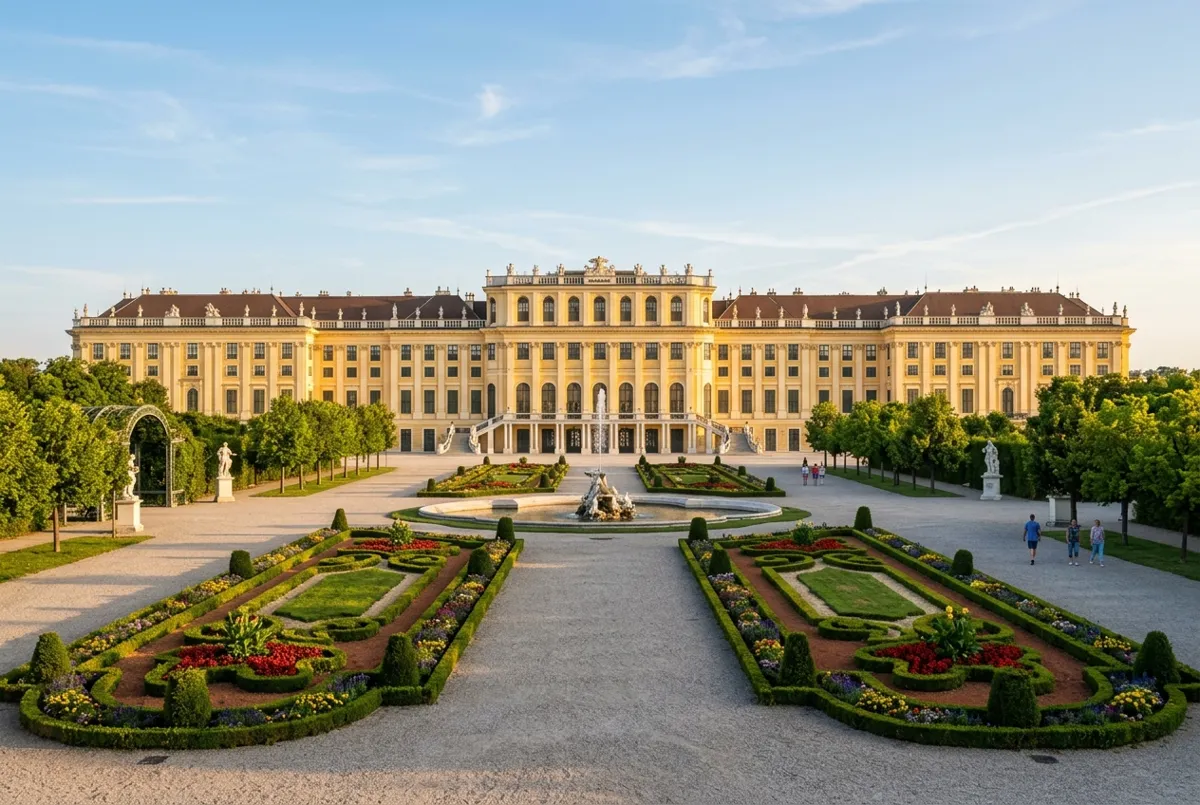
Vienna is manageable in cold months because much of the visit happens indoors: museums, coffee houses, concert venues and historic interiors. The trade-off is daylight and the need for practical footwear if pavements are wet or icy. In late spring and early autumn, park and vineyard outings become easier, but so do weekend crowds and room demand. November can be a useful compromise if you prefer urban sightseeing over gardens, because temperatures are cooler yet airport and hotel logistics are straightforward. For open-air plans along the Danube or in Schönbrunn gardens, aim later than March; for lower-pressure city breaks, the winter window is often more efficient.
What we measured ourselves
| Hotel per night (double room) | |
| Flight return |
Basis: 882 readings of our own between 2026-08-23 and 2026-10-10. We query prices for Vienna ourselves and store every value – which is why you see ranges here, not teaser fares.
FAQ
When is the best time to visit Vienna?
Best value: Nov, Jan–Mar. Good weather, thinner crowds, lower prices.
When is it most expensive?
School holidays and public holidays – shifting one week often saves 30%+.
And the cheapest flights?
When is Vienna usually cheapest to visit?
By experience, November and January to March are the cheaper months to compare first. They tend to avoid the strongest December seasonal demand and much of the spring weekend pressure, while still keeping the city practical for indoor sightseeing and short stays.
Is winter a bad time for Vienna?
Not if your plan is museums, cafés, concerts and central neighbourhood walks. Winter means less daylight and colder streets, but Vienna functions well as an indoor-led city break. It is less suitable if your trip depends on gardens, long outdoor evenings or vineyard visits.