عطلة الربيع والصيف وعطلة الشتاء ترفع الطلب في كندا. إليك كيف تخطط بذكاء أكبر حسب المقاطعة.
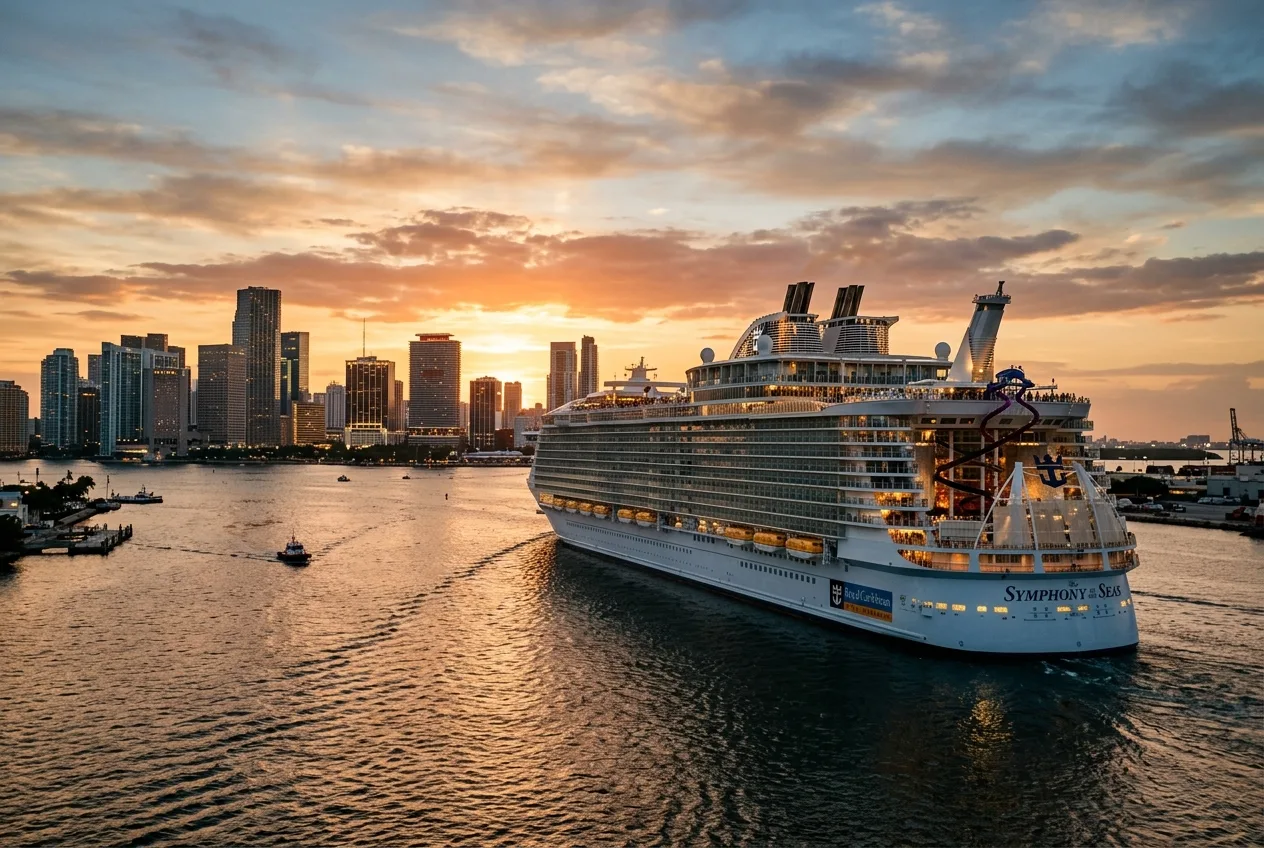
A first cruise can feel strangely simple and unexpectedly confusing at the same time. Your hotel moves with you, meals are handled, and unpacking once is a real luxury. But many first-timers board assuming everything is included, every cabin feels the same, and embarkation day will be seamless. It usually isn’t. The best way to enjoy your first sailing is to treat it like a floating resort with rules, upsells, and logistics that matter. Go in informed, and cruises can be one of the easiest vacations leaving from ports Americans actually use.
1) The fare is rarely the full cost
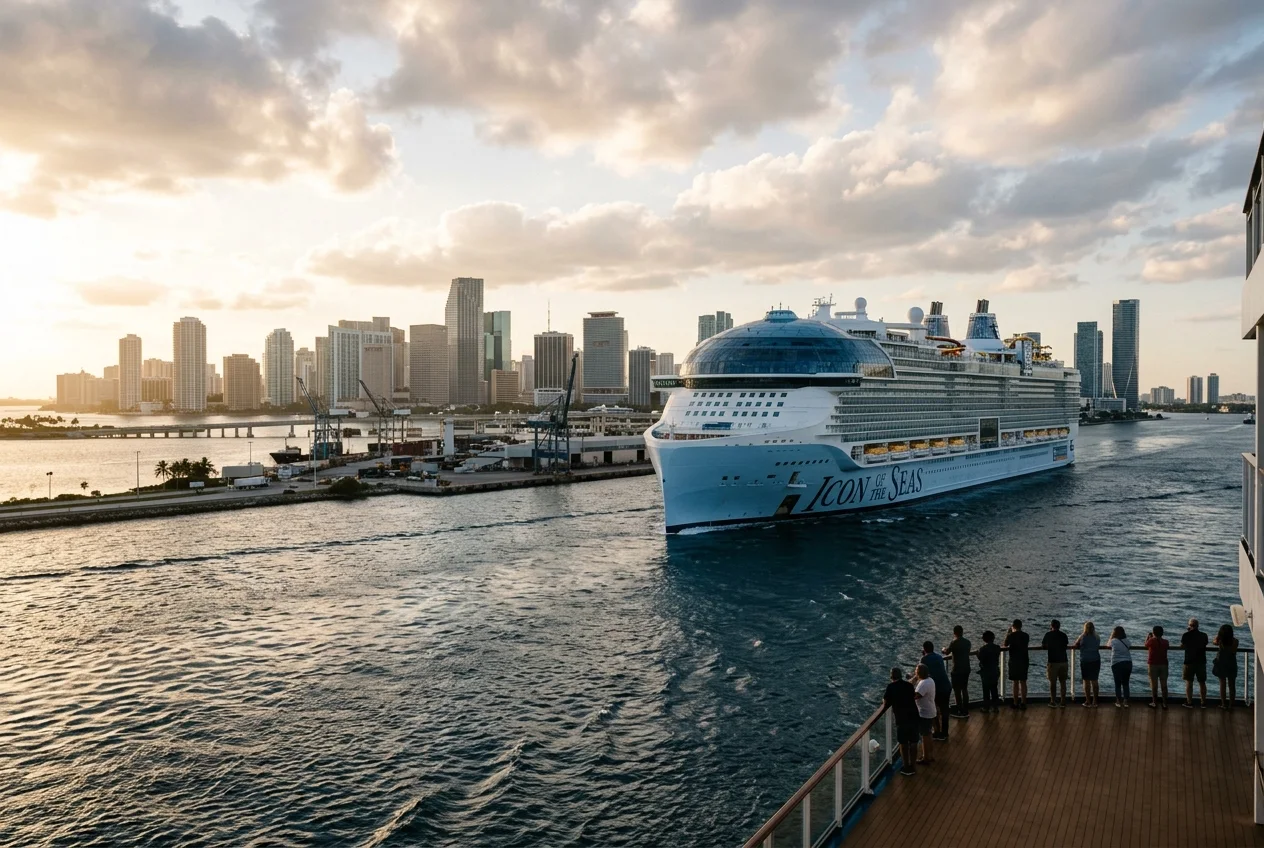
The headline cruise fare covers your cabin, basic dining, entertainment, and transportation between ports. That sounds comprehensive, but it leaves out several common expenses. Expect extra charges for alcoholic drinks, specialty coffee, many specialty restaurants, shore excursions, Wi-Fi, spa access, and often gratuities. Port fees and taxes are usually shown separately or added before checkout. If you’re sailing from Miami, Fort Lauderdale, Los Angeles, or even after flying in from JFK, EWR, ORD, or LAX, remember to budget for hotels, transfers, and pre-cruise meals too.
2) Gratuities can surprise first-timers
One of the most common first-cruise complaints is not the service—it’s the service charges. Many cruise lines add daily gratuities per person to your onboard account, and beverage packages or spa treatments may carry their own automatic service fees too. Some lines let you prepay these before departure, which can make budgeting easier. Others roll them in later. Either way, read the final booking screen carefully. A cruise can still be good value, but only if you understand the real total before you sail.
3) Cabin location matters more than most people think
For first-timers, cabin choice is not just about inside versus balcony. Location can shape the whole trip. Midship cabins on lower or middle decks often feel more stable, which matters if you’re worried about motion. Cabins under the pool deck, above the theater, or near elevators can be noisier than expected. A balcony can be wonderful on scenic routes, but on port-heavy itineraries you may use it less than you imagine. If keeping costs sensible matters, a well-placed inside cabin often beats a badly placed upgraded room.
4) Seasickness is real—but usually manageable
People who never get carsick can still feel off on a ship, especially on smaller vessels, exposed itineraries, or rough-weather days. The good news: many travelers feel fine after the first day, and modern ships are generally stable. If you’re concerned, choose a larger ship, book a midship cabin, avoid too much alcohol at the start, and bring your preferred remedy from home. Don’t assume the ship’s shop will have exactly what works for you. It’s easier to prevent motion sickness than chase it once you feel miserable.
5) Embarkation day is more airport than resort
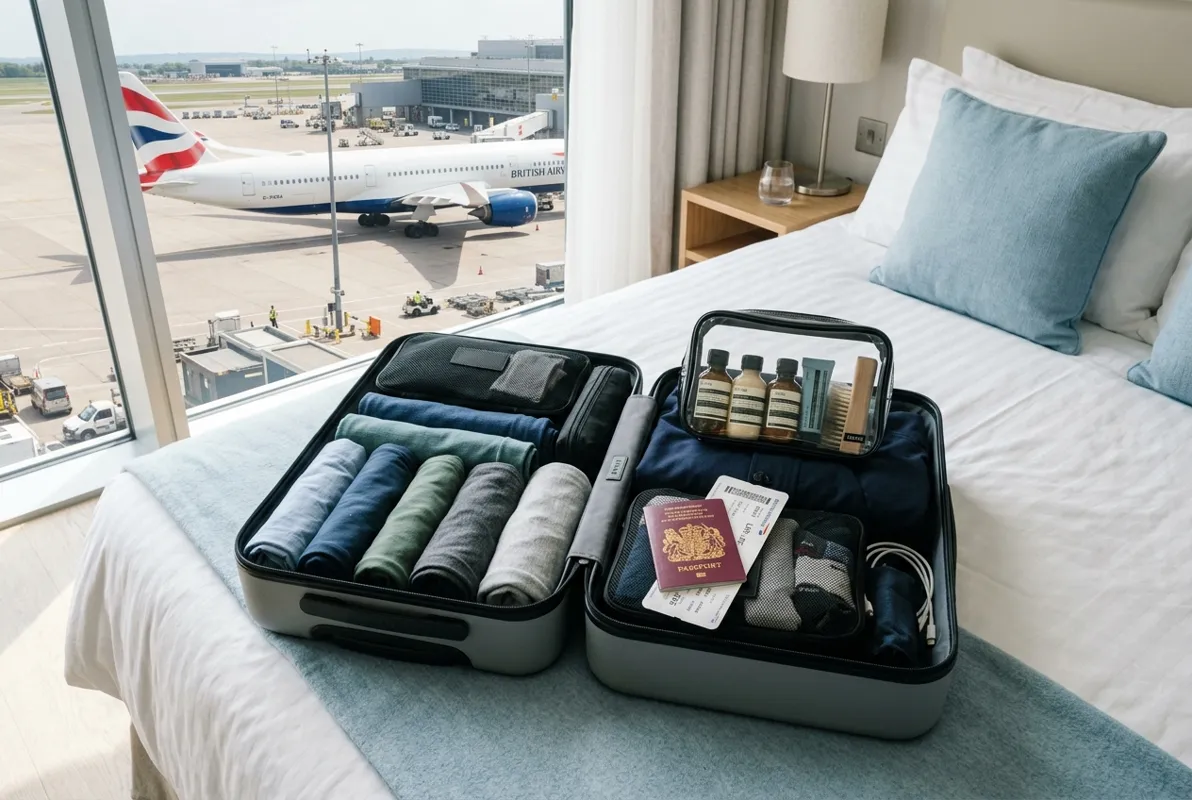
The first day often catches new cruisers off guard. You may arrive at the terminal expecting instant vacation mode, but check-in lines, security screening, document checks, and waiting for cabins to open can make the process feel procedural. Carry on medications, travel documents, swimsuits, and anything else you need before checked luggage reaches your room. Arriving the same day as your cruise after a flight from ORD, EWR, or LAX is risky if delays hit. For most sailings, coming in the night before is the calmer, smarter move.
6) Dining, deals, and insurance all reward planning
Cruise food is not one single experience. The included main dining room and buffet may be enough for many travelers, while specialty restaurants can be worth it for a few more polished meals—but not necessarily every night. Before booking extras, think about how you actually travel. The same goes for sales: so-called wave season promotions can add value through perks rather than truly dramatic discounts. Finally, don’t skip travel insurance, especially for expensive itineraries or winter departures. Weather, illness, and missed connections are far more stressful when a ship will not wait.
Thinking about booking your first sailing? Compare routes, departure ports, and cabin types carefully, then price the full trip—not just the cruise fare—before you commit.