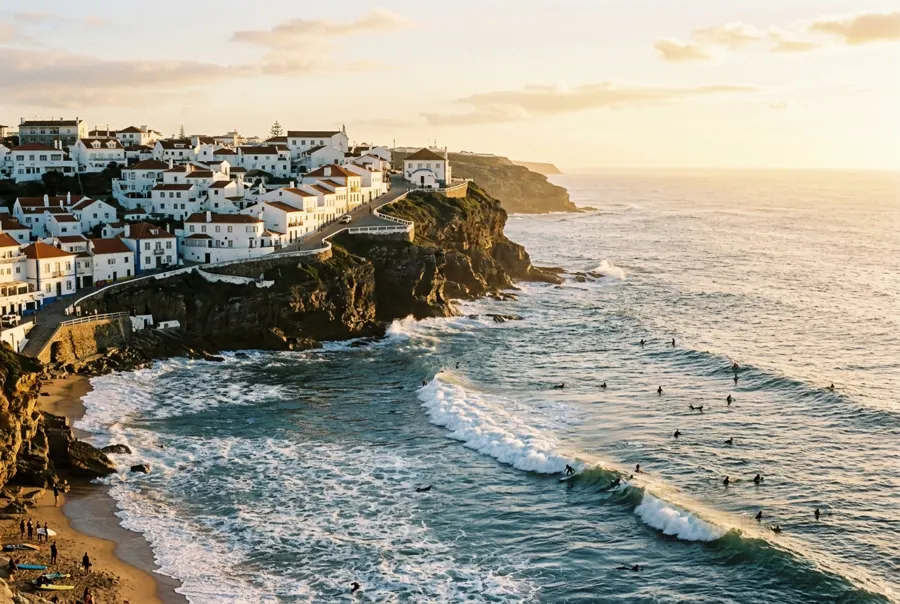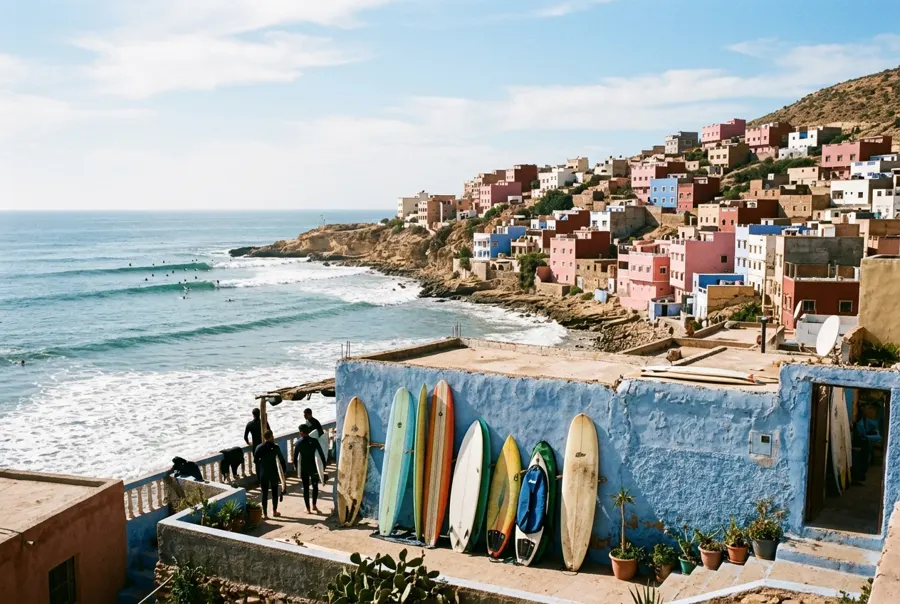

فلوريدا أم أريزونا أم إقامة أطول في البرتغال وإسبانيا؟ هكذا يخطط المسافرون من كندا لهروب شتوي أذكى.
For many American travelers, the most satisfying first or second Italy trip is not a rushed country-wide checklist but a clean, rail-friendly route: Rome, Florence, Venice, then a final stretch in either the Amalfi Coast or the Tuscan countryside. It works well from JFK, EWR, MIA, ORD, or LAX because you can fly into one city and home from another, cutting backtracking and saving energy. The key is pacing: three big city stops, one slower finish, and enough margin to enjoy Italy instead of constantly moving through it.
Why this route works so well from the US
Rome, Florence, and Venice are connected by fast trains, which makes them far easier than driving for most Americans. You avoid toll roads, parking stress, limited-traffic zones, and the fatigue of navigating after an overnight flight. Rome gives you the history hit people dream about, Florence adds art and a smaller-scale urban rhythm, and Venice feels unlike anywhere else in Europe. After those three, travelers usually want either sea views and lemon-grove villages on the Amalfi Coast or vineyard landscapes and slower days in Tuscany. That contrast is what makes the itinerary feel complete rather than repetitive.
The smartest 14-day pacing
A practical version looks like four nights in Rome, three in Florence, two in Venice, then four nights in Amalfi or Tuscany, with one travel day effectively absorbed into the transitions. That may sound conservative, but it is exactly why the trip feels good. Rome needs time because jet lag is real and the city is sprawling. Florence is compact and efficient. Venice is best in a short, focused stay before day-tripper crowds wear you down. Ending with several nights in one place gives you recovery time, laundry time, and a chance to actually savor meals, scenery, and evenings.
Open-jaw flights are usually worth it
For this trip, an open-jaw ticket is often the best move: fly into Rome and out of Venice if Tuscany is your finale, or into Venice and out of Naples or Rome if the Amalfi Coast is last. Sometimes the airfare looks a little higher than a standard round-trip at first glance, but the savings in time, train backtracking, and general hassle often make it the better value. From East Coast gateways like JFK, EWR, and MIA, schedules are usually easiest. From ORD or LAX, convenience can matter even more than shaving a little off the fare.
Trains beat rental cars for most of this itinerary
Between Rome, Florence, and Venice, trains are the clear winner. They are comfortable, central, and usually much simpler than flying domestically or renting a car. Book the high-speed segments once your flights are set, especially if you are traveling on a weekend or in a busy season, because the best-priced seats tend to go first. The exception is your finale: Tuscany can justify a short car rental if you want agriturismos and hill towns, while the Amalfi Coast is usually better handled with trains, ferries, drivers, and patience rather than self-driving.
Best seasons and the honest trade-offs
Late April through June and September through early October are the sweet spots for most Americans. The weather is generally pleasant, transportation is running at full strength, and coastal areas are lively without always hitting peak summer pressure. July and August bring the longest days but also serious heat, heavier crowds, and a more expensive feel in the most popular places. November through March can offer better hotel value in the cities, but Venice can be gray, beach time is off the table, and some Amalfi-area hotels and ferries reduce service or close seasonally.
When to book and how costs really feel
For a trip like this, book long-haul flights several months ahead if you want the best mix of schedule and value, especially for summer and early fall. Reserve Venice and Amalfi hotels early because those are the places where desirable rooms disappear fastest. Rome and Florence offer more inventory, but the best-located properties still move. Cost-wise, this is not a bargain itinerary, but it does not have to be ultra-luxury either. Train travel helps control spending, lunch specials can be useful, and choosing just one splurge destination at the end keeps the whole trip balanced.
Amalfi or Tuscany: how to choose your finale
Choose Amalfi if you want dramatic scenery, boat rides, seafood, and a more cinematic finish. It suits travelers who are happy paying a premium for views and are willing to accept stairs, transfers, and a bit of logistical friction. Choose Tuscany if you want space, wine country, village dinners, and a calmer rhythm. It is often the better choice for couples, repeat Italy travelers, and anyone already worried about crowds. Either way, the smartest version is the same: do the iconic cities first, then spend your last days somewhere slower so you fly home feeling restored, not wrung out.
قارن الفنادق بأفضل الأسعار Plan your Italy route around an open-jaw flight and train connections, then lock in the long-haul flights first, key hotels next, and high-demand rail or museum tickets after that.