
متى تحجز ليوليو وأغسطس، ولماذا قد تفيد تذكرة الوصول والمغادرة من مدينتين، ولماذا يكون يونيو أو سبتمبر أفضل غالباً.
For US travelers, winter is often the most rational time to plan a European city break. From roughly November through March, airfare frequently softens compared with late spring and summer, especially from major gateways like JFK, EWR, ORD, MIA, and sometimes LAX. Hotels can also become easier to justify in big-name cities. The tradeoff is obvious: fewer daylight hours, colder weather, and the occasional gray afternoon. But if your priorities are museums, food, architecture, and atmosphere rather than parks and rooftop bars, winter can feel like a very good deal.
Why fares often look better after fall
Once the summer rush ends and before spring demand ramps up, transatlantic pricing often enters a more forgiving stretch. Business-heavy routes can still hold firm, but leisure demand usually relaxes, which helps flexible travelers. Vienna, Prague, Paris, and London all benefit from strong year-round flight networks, giving Americans more chances to find workable itineraries. The sweet spot is often the ordinary weeks: after Thanksgiving travel settles, after New Year’s crowds clear, and before Easter-related demand returns. You are not guaranteed a bargain, but you are usually shopping in a calmer market.
The Christmas-market exception to the rule
Winter is not uniformly cheap. The biggest exception is the Christmas-market period, especially from late November through mid-December in cities like Vienna and Prague. Festive demand pushes up flight and hotel rates, and the best-located properties fill early. Paris and London also stay busy thanks to holiday shopping, seasonal lights, and school breaks. That does not mean you should avoid this window, only that you should not assume it behaves like the rest of winter. If value matters most, look just before the markets open or in the quieter weeks after New Year’s.
Why Vienna, Prague, Paris, and London work so well in winter
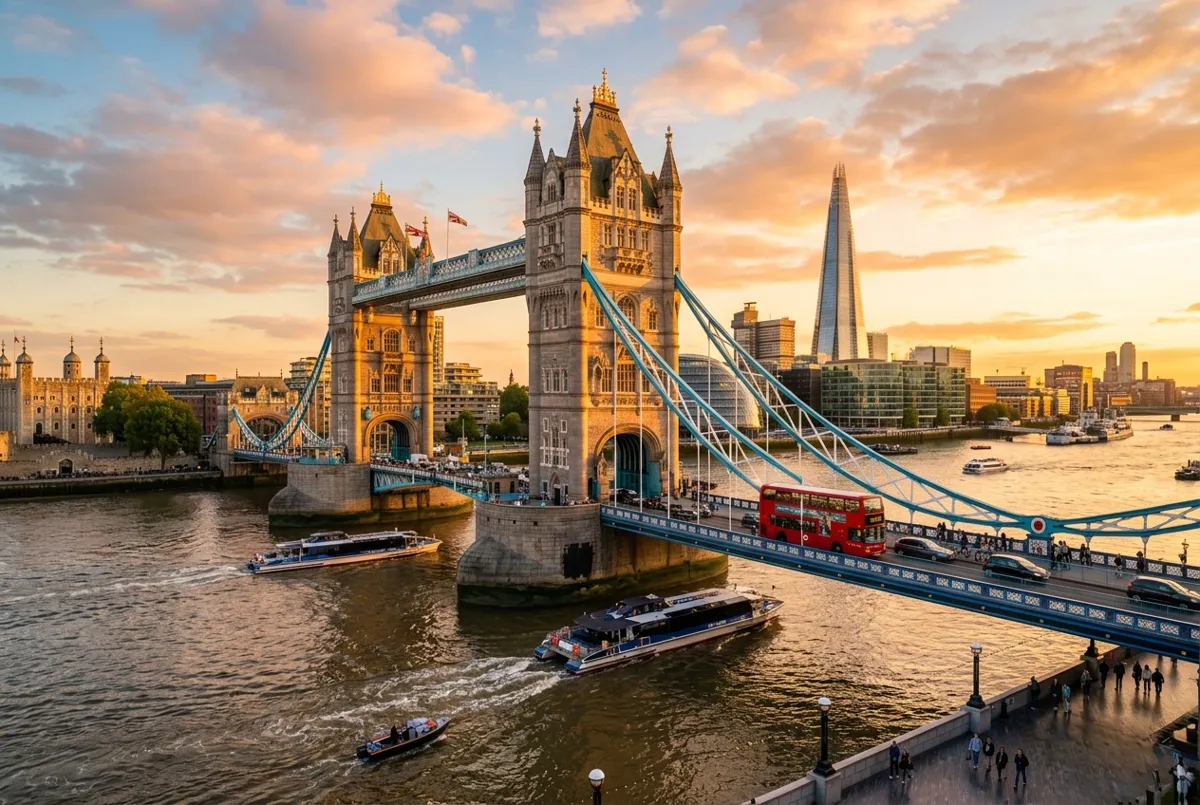
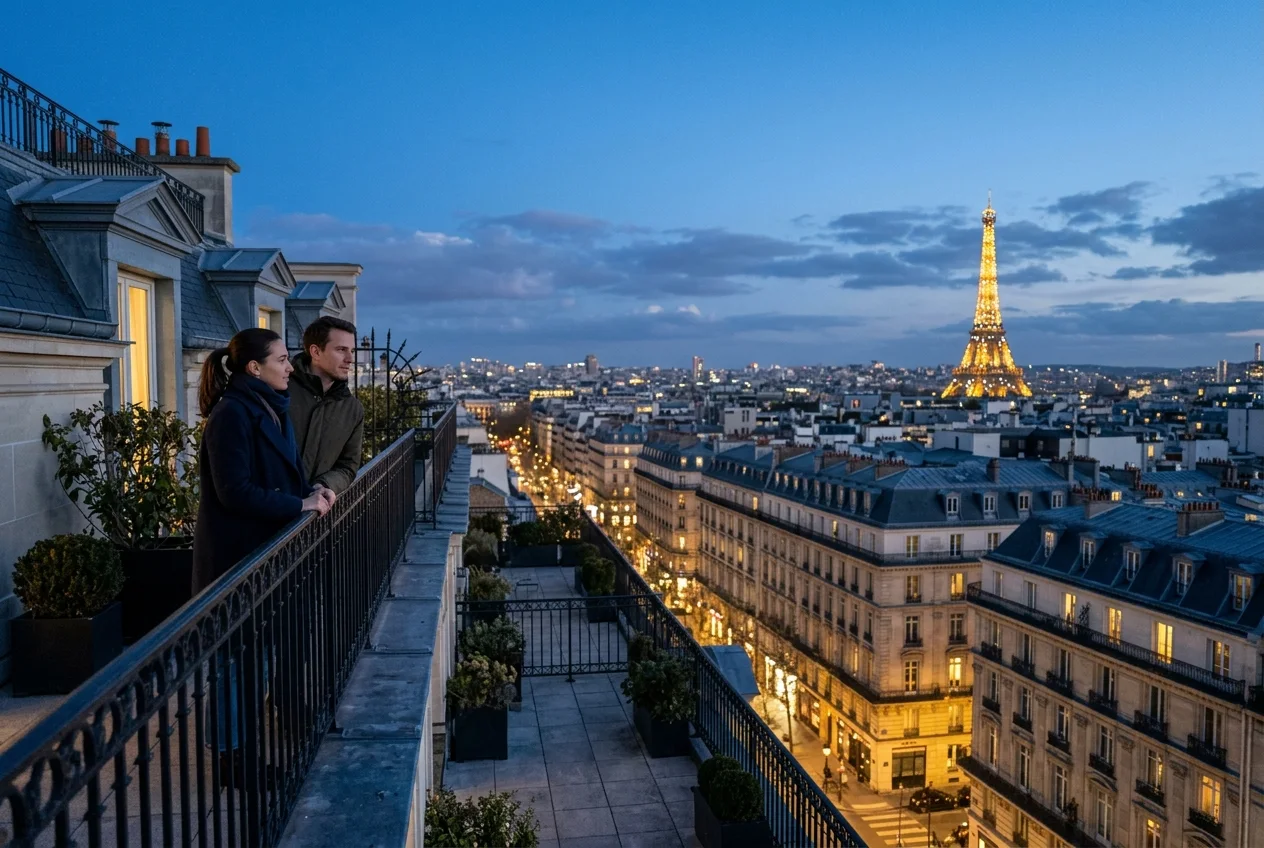
These cities reward travelers who spend more time indoors and move at a slower pace. Vienna is built for café culture, concert halls, and grand museums when the air turns cold. Prague’s compact center feels especially atmospheric in misty weather, and it is easy to cover on foot with warm-up stops. Paris in winter is about galleries, bistros, covered passages, and fewer lines at major sights. London may be damp, but it offers one of Europe’s deepest benches of museums, theater, pubs, and neighborhoods that still feel lively after dark.
Pack for weather swings, not arctic extremes
Most winter city trips fail at the suitcase stage, when travelers either underpack for damp cold or overpack as if they are heading to a ski resort. For these capitals, think layers: a warm midweight coat, waterproof shoes, a compact umbrella, gloves, and a scarf that can handle wind on bridges and long walks between transit stops. Indoor spaces are often well heated, so bulky gear becomes annoying fast. The goal is not maximum insulation. It is staying comfortable while moving between train stations, museum queues, outdoor markets, and evening dinner reservations.
Use the short days to shape a smarter itinerary
In winter, daylight is a limited resource, so spend it intentionally. Put outdoor viewpoints, historic walks, cemeteries, riverfronts, and major façades into the late morning and early afternoon. Save museums, churches, department stores, tea rooms, and longer lunches for dimmer hours. An early start matters more in December than in June, and a long midday meal can be a strategic reset rather than lost time. If you plan around the light instead of fighting it, winter sightseeing feels orderly and surprisingly relaxed rather than cut short.
Museum season is real, and that changes the value equation
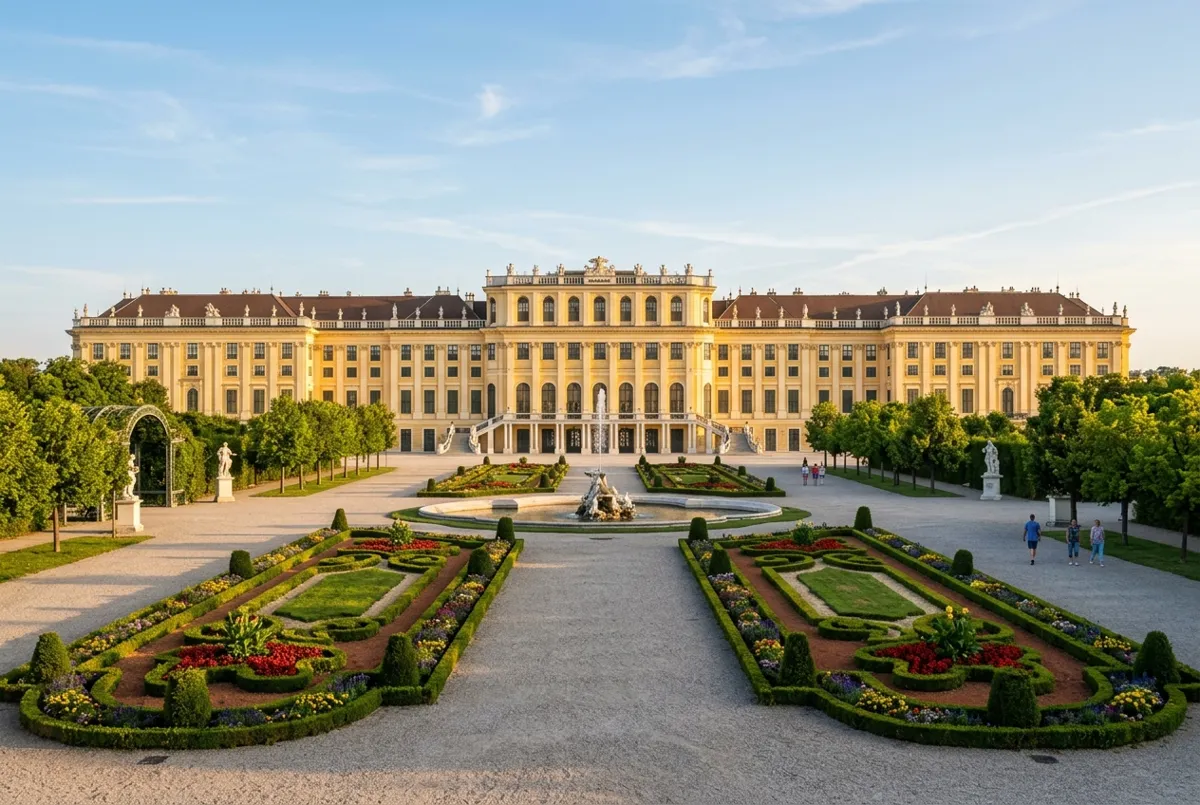
For travelers who actually use city museums, winter can deliver better overall value even if airfare is only somewhat lower. You are more likely to spend full days in places you paid to visit, from the Kunsthistorisches Museum to the Louvre, the British Museum, or Prague’s historic interiors. You may also face shorter lines and less competition for timed entries outside holiday peaks. The honest logic is simple: if your trip revolves around culture, food, and city texture, winter lets you consume more of what you came for and less of the seasonal markup.
When off-season Europe makes the most sense for Americans
Winter Europe is smartest for Americans who do not need postcard weather to enjoy a city. If you are flying from the East Coast, a long weekend or four-night break can feel efficient, especially to London or Paris. From Miami, Chicago, or Los Angeles, the flight math usually favors staying longer and choosing a city where indoor attractions are dense. The key is to stop comparing winter to July. Compare it to what you actually want: lower fares when possible, fewer crowds, easier reservations, and a more local rhythm in some of Europe’s best urban destinations.
قارن الفنادق بأفضل الأسعار Check fares from JFK, EWR, MIA, ORD, and LAX for November through March, then build your trip around museums, neighborhoods, and early-evening meals rather than peak-season sightseeing pressure.